

Article: Cameroonian Arabica vs Industrial Coffee:
Cameroonian Arabica vs Industrial Coffee:
What You Don't See in Your Cup
Every morning, millions of people make a choice without realizing it. Not between black coffee or a latte — but between a cup that carries a story and one that says nothing at all. This article isn't here to make you feel guilty, but to shed light. Because knowing what you're drinking means making a conscious decision.
1. What Industrial Coffee Never Tells You
The coffee you find at the grocery store has traveled a long road — but not the one you might imagine. It's typically made from a blend of beans sourced from multiple countries, roasted in bulk, sometimes months before landing in your cart. The result? A standardized taste, designed to be acceptable to everyone — but exceptional to no one.
What those labels typically don't show you:
• The exact origin of the beans ("Arabica Blend" tells you almost nothing)
• The actual roast date
• The working conditions of the farmers
• How much the producers were paid at the source
• The chemical processes used during cultivation or processing
2. Cameroonian Arabica: A Coffee That Speaks
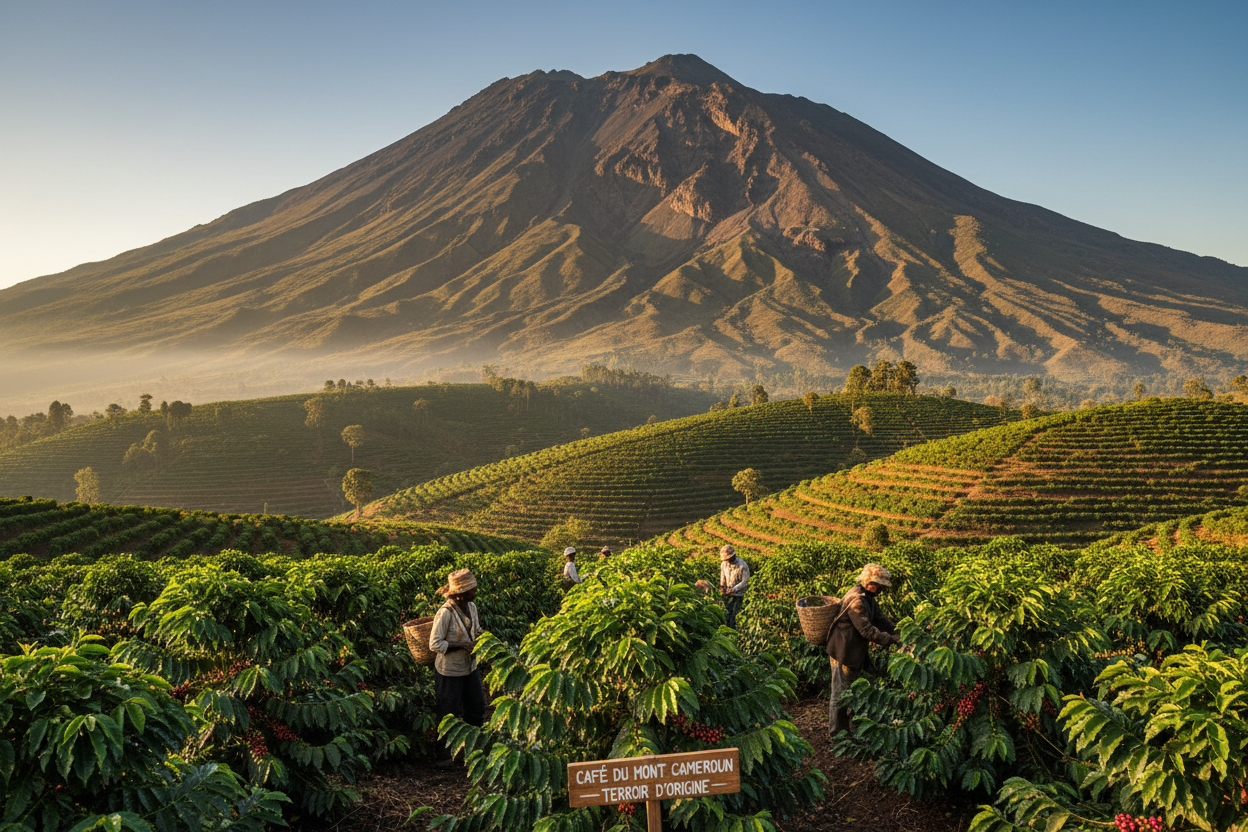
Cameroon is one of the rare African countries that produces both high-quality Arabica and Robusta, thanks to its exceptional geography and climate — from the western highlands to the dense forests of the centre.
DJENDE coffee means:
• Beans sourced directly from GICs (Common Initiative Groups) and farming families
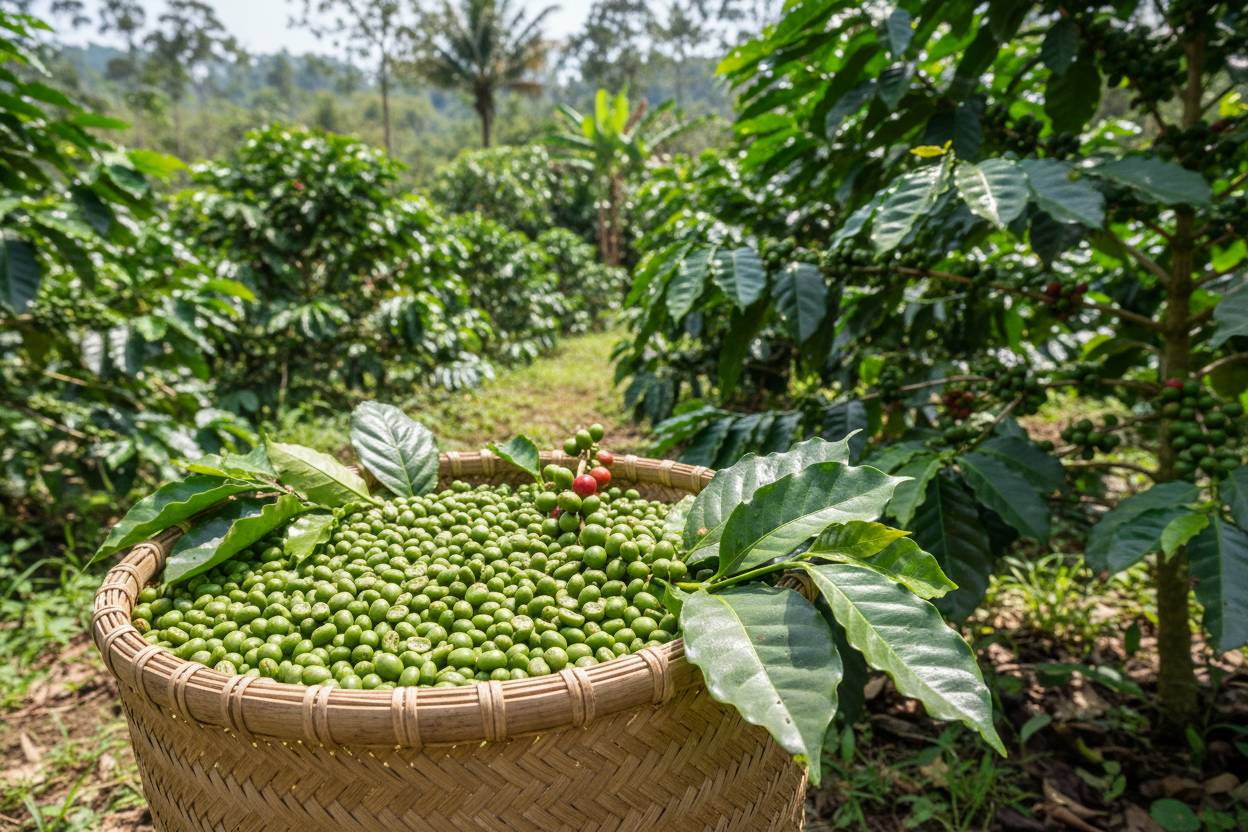
• Hand-picked, selective harvesting — bean by bean, at perfect ripeness
• Full traceability: you know exactly which region your coffee comes from
• Processed and packaged in Canada, meeting Canadian quality standards
• A sourcing model that directly supports the education of farmers' children
3. The Direct Comparison
Here's what you're really putting in your cup, depending on your choice:
|
Criteria |
☕ DJENDE Coffee |
🏭 Industrial Coffee |
|
Origin |
Cameroon — identifiable region |
Multi-country blend |
|
Traceability |
Complete, from farm to cup |
Often opaque |
|
Harvesting |
Manual and selective |
Mechanical, all beans mixed |
|
Roasting |
Artisanal, known roast date |
Industrial, unclear date |
|
Taste |
Complex, distinct flavor notes |
Standardized, uniform |
|
Social impact |
Direct support to farmers + children's education |
No guarantee |
|
Packaging |
Done in Canada |
Variable, often overseas |
4. The Taste: What You'll Actually Experience
A quality coffee, properly sourced and carefully roasted, reveals aromatic notes you'll never find in a commercial blend.
DJENDE Cameroonian Arabica, depending on your brew method:
• Notes of red berries, caramel and hazelnut with slow extraction (drip filter, French press)
• A smooth, round mouthfeel with low bitterness — delicious without sugar
• Gentle, balanced acidity, characteristic of Cameroonian high-altitude growing regions
• A long, pleasant finish that lingers on the palate
5. Choosing Your Coffee Means Choosing Your Values
Behind every bag of DJENDE coffee, there is a farming family in Cameroon who carefully grew these beans. There is a child going to school because their parent sold a quality harvest at a fair price. There is a direct sourcing decision — no exploitative middlemen.
This isn't about judging those who buy from supermarkets. It's an invitation: if you can choose differently, why not?
✨ Ready to experience DJENDE?
Discover our Arabica and Robusta coffee collection from Cameroon.

Leave a comment
This site is protected by hCaptcha and the hCaptcha Privacy Policy and Terms of Service apply.